
Living with excessive sweating can be frustrating and disruptive. When antiperspirants and constant wiping do little to help, you may be left dealing with visible stains on your shirt, damp palms, and the discomfort of feeling sticky throughout the day. Even with the best hygiene habits, controlling odor and moisture can feel nearly impossible when sweat glands are overactive.
For some patients, topical treatments or medications don’t provide reliable results, while surgical options can feel too aggressive or risky. That’s why at VITAHL Chicago, we offer a solution that can help you manage hyperhidrosis with less maintenance and minimal downtime. Botox injections can temporarily reduce sweating and are an easier and less invasive way to stay dry.
What Is Hyperhidrosis?
Hyperhidrosis is the medical term for excessive sweating that goes beyond what your body needs to regulate temperature. It happens when the sweat glands are overactive and release moisture even when you are not hot or physically active. Hyperhidrosis can lead to damp clothing, wet palms, and frequent discomfort at work or other social situations. The condition can affect one or several areas of the body, depending on the type and cause.
Primary vs. Secondary Hyperhidrosis
Primary hyperhidrosis is idiopathic, meaning there’s no known medical cause. It typically affects specific areas and often begins during childhood or adolescence. Secondary hyperhidrosis develops as a symptom of another medical condition or as a side effect of certain medications. It can cause generalized sweating across the entire body rather than in isolated regions.
Common Areas Affected By Hyperhidrosis
Excessive sweating most frequently occurs in the underarms, palms, soles of the feet, and face. These areas have a high concentration of sweat glands and are more prone to overactivity. Some people also experience excessive sweating on the scalp or groin, which can be particularly uncomfortable. The severity often varies from mild dampness to persistent wetness that interferes with clothing and daily activities.
How Common Is Hyperhidrosis?
In 2016, it was estimated that hyperhidrosis affects about 4.8% of the U.S. population, though many cases go undiagnosed. The condition can appear at any age but is often first noticed in adolescence. Despite being underreported, it’s a recognized medical condition that can have an impact on your comfort and quality of life. Treatment advances have made it easier to manage this condition without surgery or daily medication.
Causes and Triggers of Excessive Sweating
- Overactive Sympathetic Nervous System: One of the primary causes of hyperhidrosis is an overactive sympathetic nervous system, which controls the body’s sweat response. When this system misfires, it signals the sweat glands to produce moisture even without heat or physical activity.
- Genetic Predisposition: Excessive sweating can sometimes run in families, suggesting a genetic link. If you have close relatives who experience hyperhidrosis, you may be more likely to develop it yourself.
- Emotional Stress, Anxiety, or Heat Exposure: Emotional triggers like stress or nervousness can increase sweating, particularly in the palms and underarms. Heat exposure can also make symptoms more noticeable, even though hyperhidrosis isn’t caused by temperature changes alone.
- Hormone Changes, Infections, and Medications: Fluctuations in hormones, such as those occurring during puberty, pregnancy, or menopause, can increase sweat production. In some cases, infections or certain medications can stimulate excess perspiration, especially in those prone to overactive sweat gland activity.
Is Hyperhidrosis Linked to a Lack of Hygiene?
Hyperhidrosis is not caused by poor hygiene and can affect people who maintain excellent personal care. The condition stems from overactive sweat glands, not from bacteria or cleanliness. Managing the condition involves medical treatments rather than just changes in hygiene routines.
How Hyperhidrosis Is Diagnosed
Healthcare providers diagnose hyperhidrosis through a physical examination and a review of sweating patterns. Questions often focus on when and where sweating occurs, whether it happens on both sides of the body, and if it interferes with daily activities. Additional testing may include a starch-iodine or paper test to measure moisture levels on the skin. Identifying whether the condition is primary or secondary helps guide the most appropriate treatment approach.
Treatment Options for Hyperhidrosis
- Topical Treatments: Prescription-strength antiperspirants containing aluminum chloride can help block sweat glands and reduce moisture in mild to moderate cases. These products are typically applied at night to allow deeper absorption into the sweat ducts.
- Medications: Oral medications that reduce nerve activity or block chemical signals responsible for sweat production may be prescribed when topical options are not enough. Some people find them effective, but side effects such as dry mouth or blurred vision can limit long-term use.
- Iontophoresis: This treatment uses a low electrical current passed through water to temporarily disable sweat glands, most often in the hands or feet. It can be effective but requires repeated sessions to maintain results and is time-intensive for some people.
- Surgical Approaches: For severe hyperhidrosis, surgical procedures such as sympathectomy or gland removal may be considered. These methods are invasive and carry risks like scarring or compensatory sweating in other areas, so they’re usually reserved for cases that don’t respond to other treatments.
How Botox Treats Hyperhidrosis
Botox for excessive sweating works by blocking the nerve signals that activate the sweat glands. When injected just beneath the surface of the skin, it prevents the glands from releasing moisture in the treated area. The treatment does not affect sensation or temperature regulation elsewhere on the body, so normal cooling functions remain intact. Results typically appear within a few days and can last several months before the nerves gradually regain activity.
The Benefits of Treating Hyperhidrosis With Botox
Botox can help reduce sweating in areas such as the underarms, hands, or feet without surgery or frequent maintenance. The treatment allows people to wear lighter clothing and engage in daily tasks without worrying about moisture buildup or staining. Sessions are relatively quick and require minimal downtime. Consistent treatments can also help keep symptoms controlled for longer periods compared to topical or oral options.
What to Expect During Botox Treatments for Hyperhidrosis?
Consultation
We will want to determine whether Botox is the right treatment for your hyperhidrosis. We will review your medical history, current medications, and areas where sweating is most severe. We may perform a starch-iodine test to pinpoint the most active sweat glands before your treatment begins. Make sure to communicate about any previous therapies you have tried and the expectations you have for this treatment, so we can discuss the results you can expect.
Treatment Day
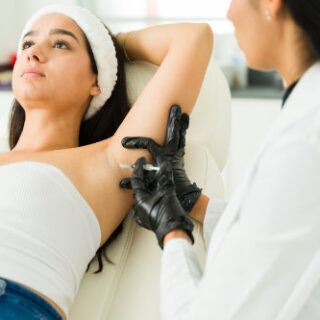
During the appointment, the skin is cleaned and marked to guide precise injection placement. We use a fine needle to deliver small amounts of Botox just beneath the surface, targeting the nerves that overstimulate the sweat glands. For armpit botox, both underarms are treated in a single session.
Duration
Most treatments are completed quickly, but the full appointment may take longer if multiple areas are being addressed. The injected Botox starts to reduce sweating within several days, with maximum results appearing in about two weeks. Follow-up visits may be scheduled to assess how well sweating has decreased and to plan future sessions as needed.
Aftercare and Recovery From Botox
After receiving Botox injections for hyperhidrosis, the treated area may feel slightly tender or look mildly red for a few hours. It is best to avoid intense exercise, hot showers, or saunas for the first day to allow the product to settle properly. You can return to your usual activities immediately. The skin typically feels normal within a day, and makeup or deodorant can be applied again once any sensitivity fades.
Who Is a Good Candidate for Botox for Sweating?
Individuals who experience excessive perspiration that interferes with daily life and have not found relief from topical products or medications are often good candidates. Those seeking a non-surgical solution that requires little downtime can also benefit from this treatment. The best candidates are healthy adults who do not have neuromuscular disorders or allergies to the ingredients in Botox. A consultation helps confirm whether the treatment is suitable for your health and lifestyle.
How Long Will My Results Last?
Results can last longer than cosmetic Botox, usually between three to six months or longer. These results will depend on your body’s natural metabolism, your activity levels, and more. The effects gradually fade as nerve signals to the sweat glands are restored. Scheduling maintenance sessions at regular intervals can help extend the results and prevent symptoms from returning.
Treat Hyperhidrosis Non-Surgically With Botox Injections in Chicago, IL
Excessive sweating can disrupt your comfort, wardrobe choices, and daily activities, but effective options are available for controlling hyperhidrosis. At VITAHL Chicago, we use Botox treatments to reduce sweat gland activity and help keep you drier for months at a time. Our physician-led practice in Chicago, IL, is here to offer you medical expertise and proven methods to manage sweating without surgery or downtime. To learn more or schedule a consultation, call (312) 634-6100 or contact us through our website.